Women's health · Weight · Hormones

Why your body changed — and it's not your fault

If you've been eating the same way and exercising just as much, but the weight keeps creeping up — your hormones may be the part of the story nobody's told you about.

Learn why ↓
Woman, calm and empowered

Evidence-based

✓ Written by health researchers
✓ Reviewed for accuracy
✓ No diet culture. No shame.
✓ Free assessment, no obligation

Why weight loss gets harder in your 30s, 40s & 50s

You haven't lost your willpower. You're not "letting yourself go." The rules that worked in your twenties — eat less, move more — stop applying the way they used to, and there's a biological reason for that.

Starting in our late 30s, a cascade of hormonal and metabolic changes makes it significantly harder to lose weight, and significantly easier to gain it. Here's what's actually happening.

Oestrogen starts to fluctuate

As you approach perimenopause, oestrogen levels become unpredictable. This hormone plays a direct role in where your body stores fat — lower oestrogen shifts storage from the hips to the abdomen.

Muscle mass quietly declines

After 35, we naturally lose 1–2% of muscle per year — a process called sarcopenia. Less muscle means a lower resting metabolic rate, so your body burns fewer calories around the clock.

Cortisol and sleep compound it

Stress hormones like cortisol directly increase abdominal fat storage. Poor sleep — which becomes more common in perimenopause — amplifies cortisol and disrupts hunger signals.

Insulin sensitivity decreases

With age, cells become less responsive to insulin. Your body produces more of it to compensate — and higher insulin levels strongly promote fat storage.

Sound familiar? Take the free Juniper assessment to find out which of these factors are most likely at play for you — and what you can do about it.
Group of women together, active and happy

Is it my hormones? A plain-English guide

"Hormones" gets used as a catch-all, but there are specific players involved in weight regulation — and understanding which ones shift during perimenopause and beyond helps you make sense of what your body is doing.

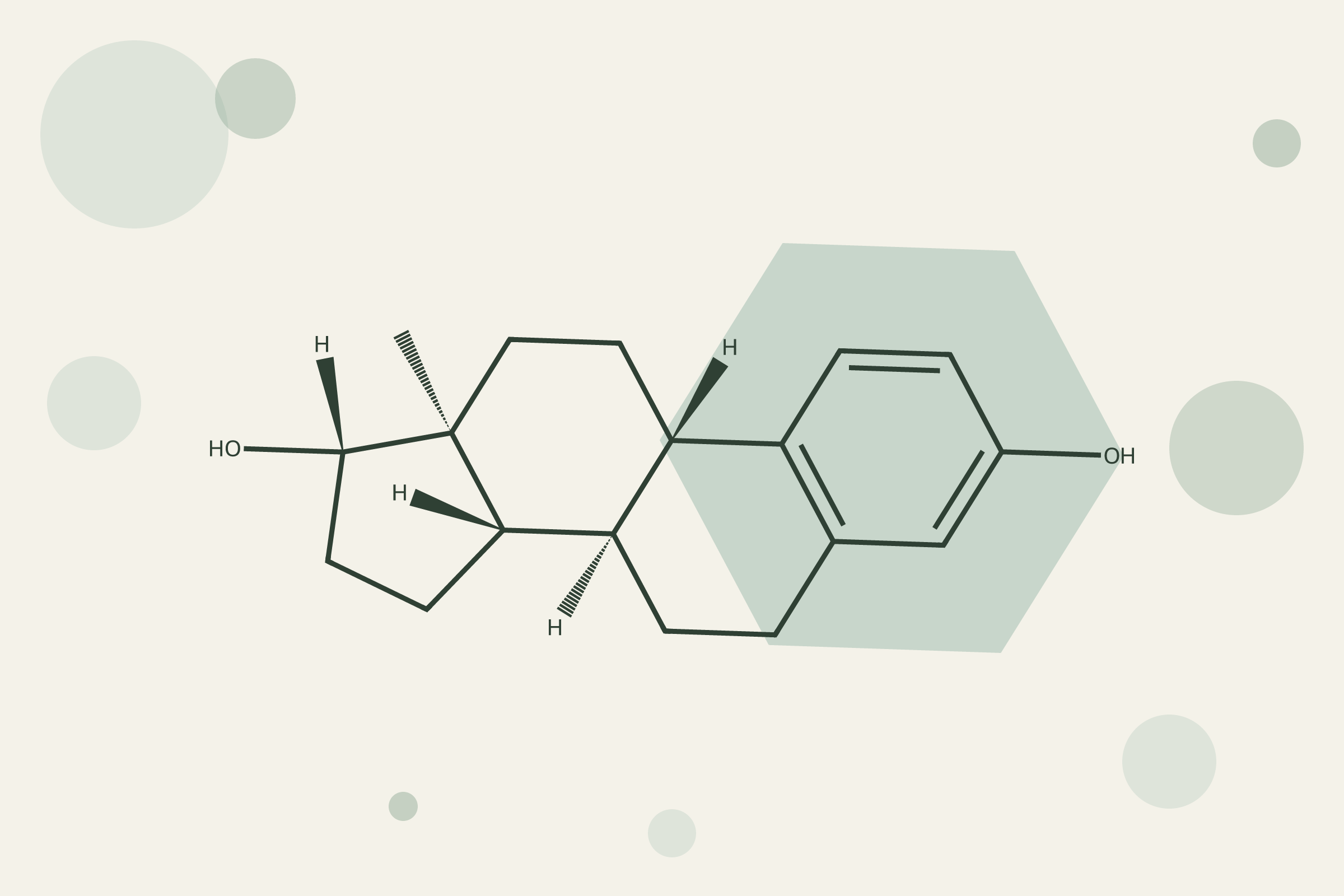
Oestrogen molecular structure

Oestrogen

The fat-distribution hormone

Oestrogen helps regulate where your body stores fat. When levels drop or fluctuate, your body shifts fat storage away from hips and thighs toward the abdomen — even with no change in diet or exercise.

Wondering if oestrogen is a factor for you? The Juniper assessment can help identify this →
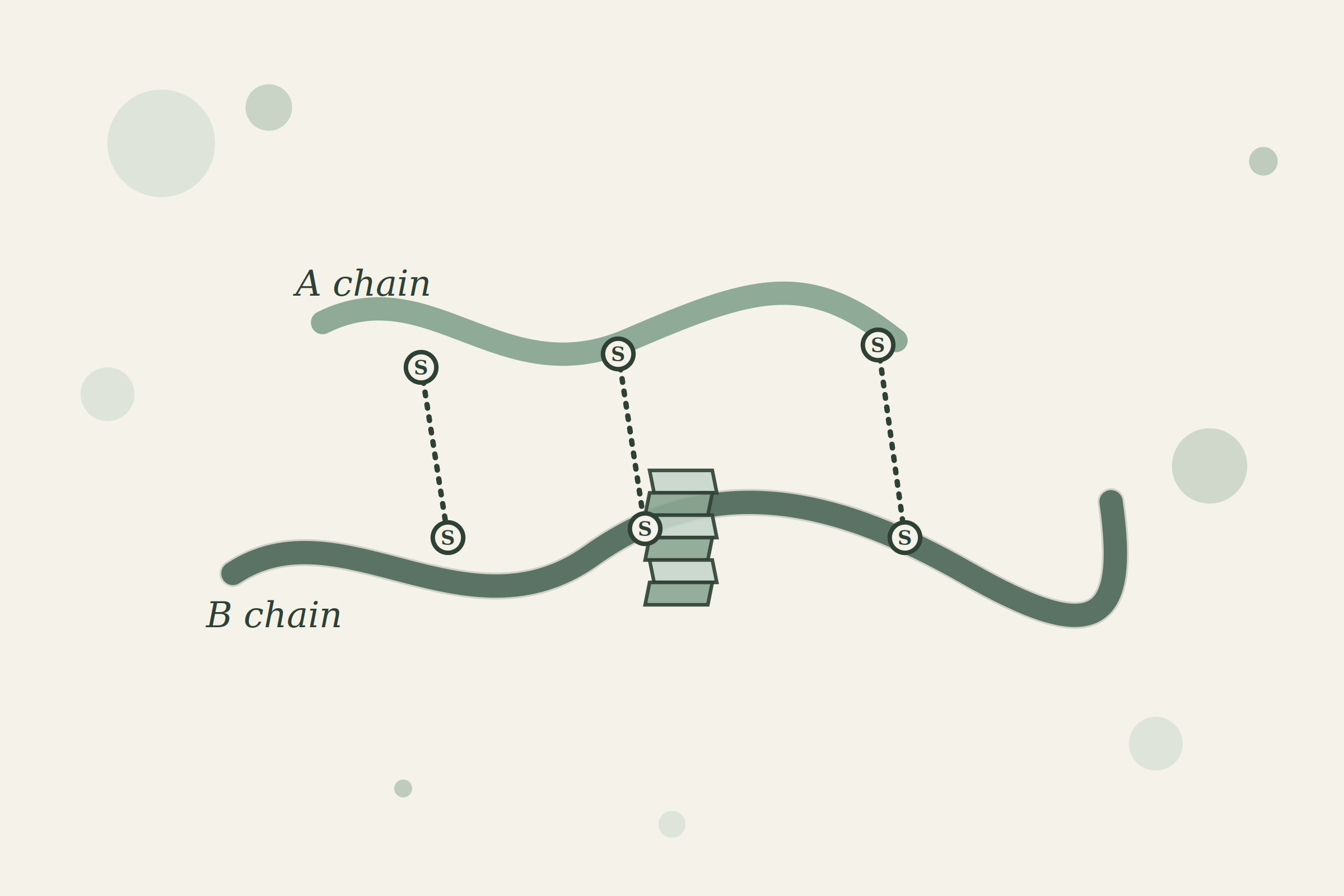
Insulin molecular structure

Insulin

The storage signal

Insulin tells your cells to absorb glucose from the bloodstream. When cells become resistant to it — which becomes more common with age — your body compensates by producing more, and more insulin means more fat storage.

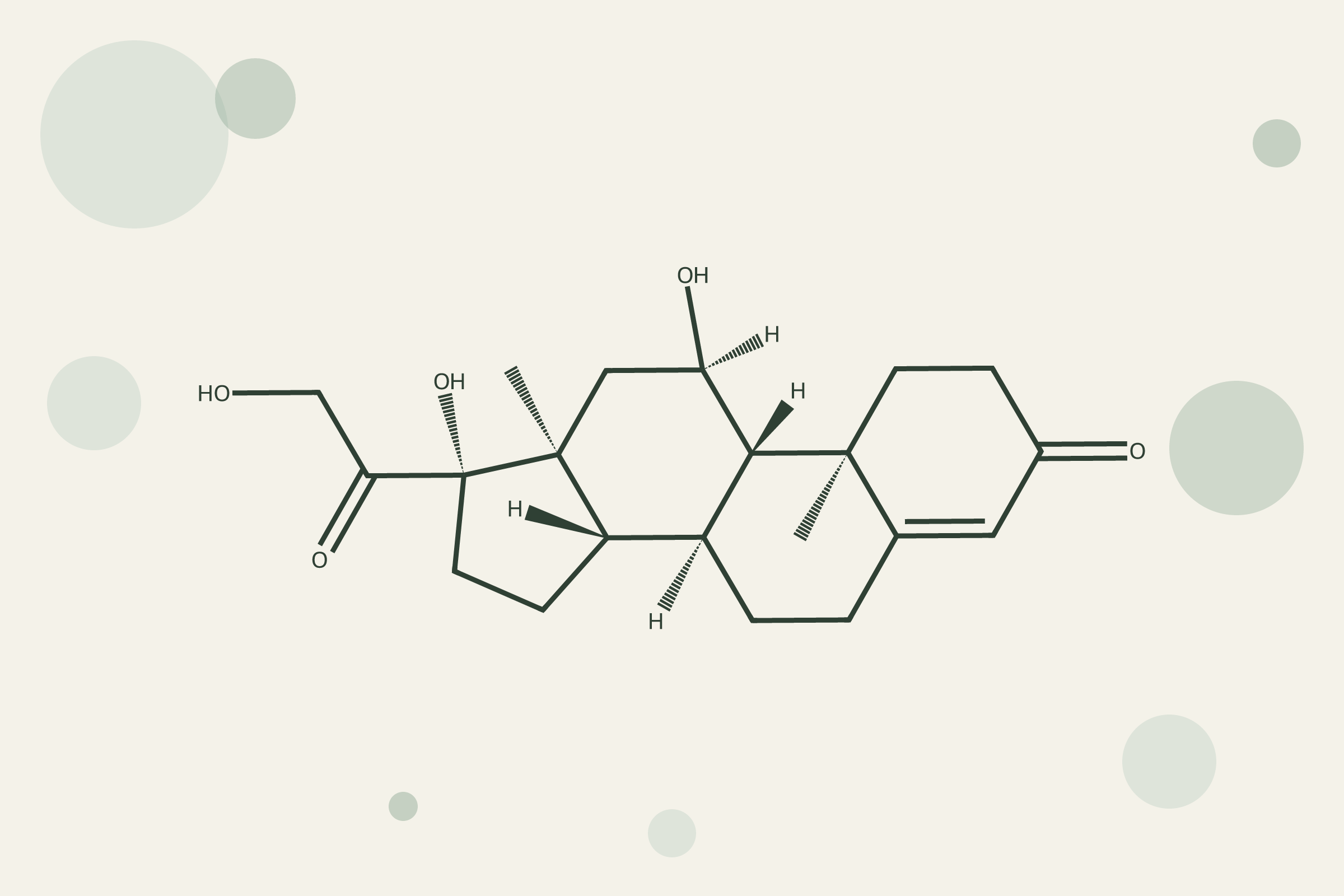
Cortisol molecular structure

Cortisol

The stress response

When you're under sustained stress — work, family, life — cortisol stays elevated. This hormone directly promotes abdominal fat storage and increases appetite for high-calorie foods. It's not weakness. It's biology.

A good assessment accounts for stress and sleep. See what Juniper looks at →
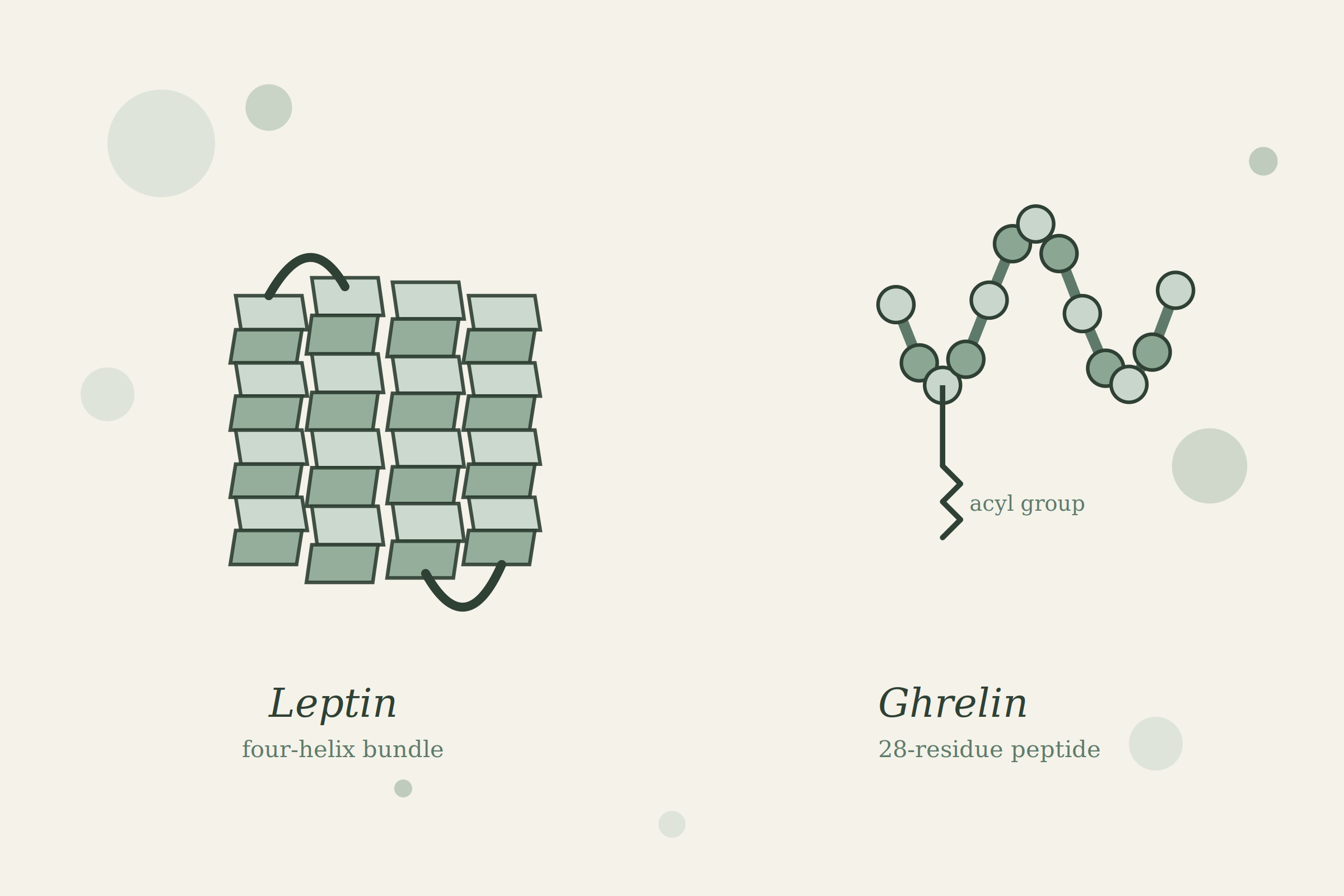
Leptin and Ghrelin molecular structures

Leptin & Ghrelin

Your hunger regulators

Leptin tells your brain you're full. Ghrelin tells it you're hungry. Sleep deprivation — common during perimenopause — suppresses leptin and raises ghrelin, leaving you genuinely hungrier even if you've eaten enough.

Constant hunger despite eating enough is a symptom, not a character flaw. Take the assessment →
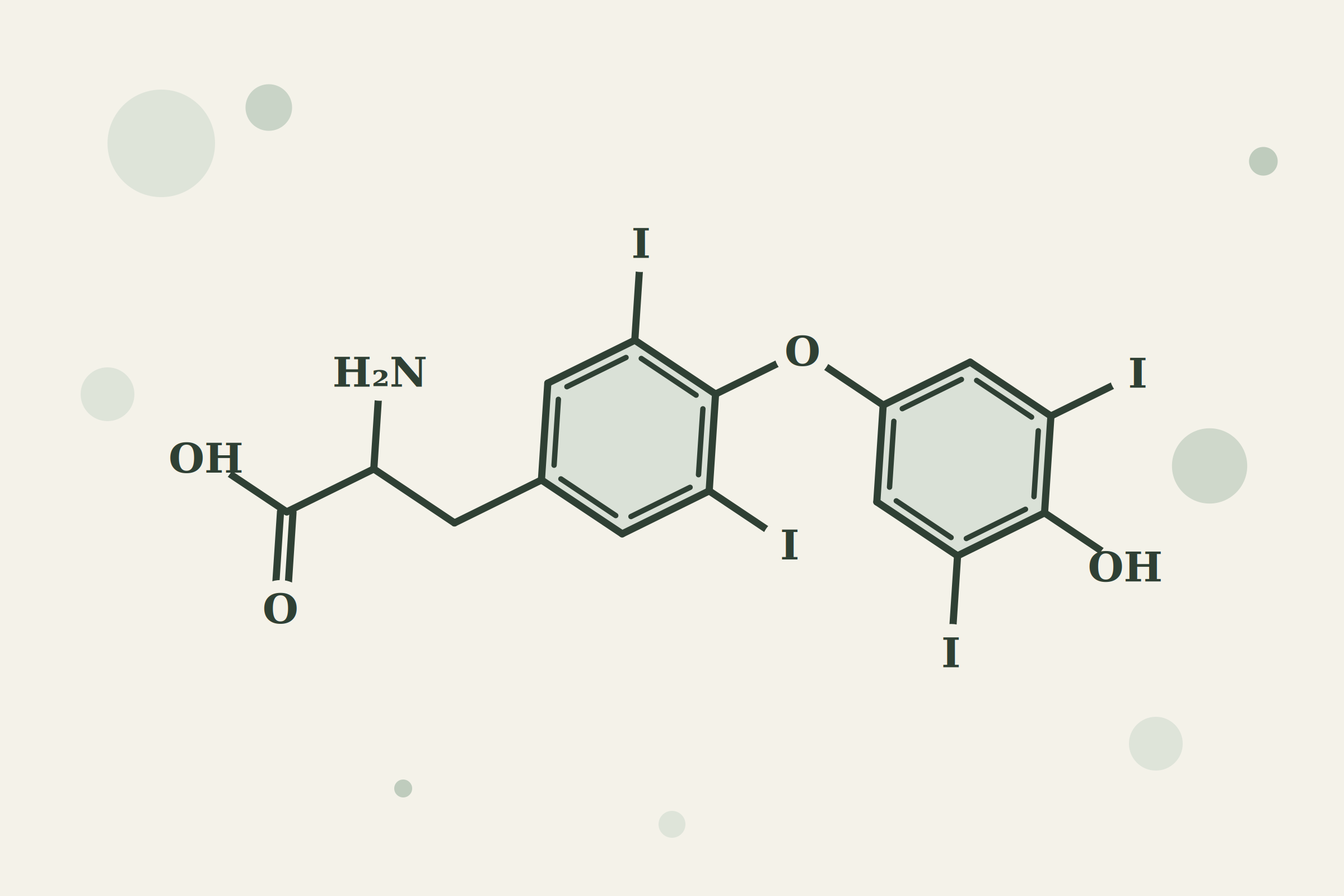
Thyroid hormone molecular structure

Thyroid

The metabolism regulator

Your thyroid gland controls how fast your body burns energy. Thyroid function can slow with age, and underactive thyroid (hypothyroidism) is significantly more common in women — and frequently goes undiagnosed for years.

Thyroid issues are often picked up through a proper health assessment. Start the Juniper assessment →

Free · 4 minutes

Not sure which hormones might be affecting you?

The Juniper assessment asks about your symptoms, lifestyle, and history to help identify what might be at play — and whether a medically supported program could help.

Takes 4 minutes. No account needed. Start the free Juniper assessment →

What's really happening to your metabolism

Metabolism isn't just about how fast or slow your body burns food. It's a complex system of hormones, organs, and signalling pathways — and it changes substantially across a woman's life.

Basal metabolic rate drops with age

Your basal metabolic rate (BMR) is the number of calories your body burns simply to keep you alive — breathing, circulating blood, regulating temperature. After 30, BMR tends to decline by roughly 1–2% per decade, even if you maintain the same activity level.

The main driver? Loss of muscle mass. Muscle is metabolically expensive — it burns roughly three times more calories at rest than fat tissue. As muscle declines, so does your body's energy demand.

It's not just calories in vs. calories out

The classic equation — eat less, move more — ignores the hormonal context entirely. When insulin is chronically elevated, fat cells are essentially locked. When cortisol is high, your body actively resists fat release. When leptin is disrupted, hunger signals don't match your actual energy needs.

This is why women in perimenopause often eat less than they did at 30, exercise more, and still gain weight. The system has changed. The approach needs to as well.

So what actually works?

Approaches that address the hormonal environment — not just calorie restriction — tend to produce more sustainable results for women in their 40s and 50s. That can include strength training (to preserve muscle), sleep prioritisation (to regulate hunger hormones), and in some cases, medically supported programs that work with your biology rather than against it.


A program that works with your metabolism — not against it — starts with understanding what's driving your weight. Take the free Juniper assessment to find out →
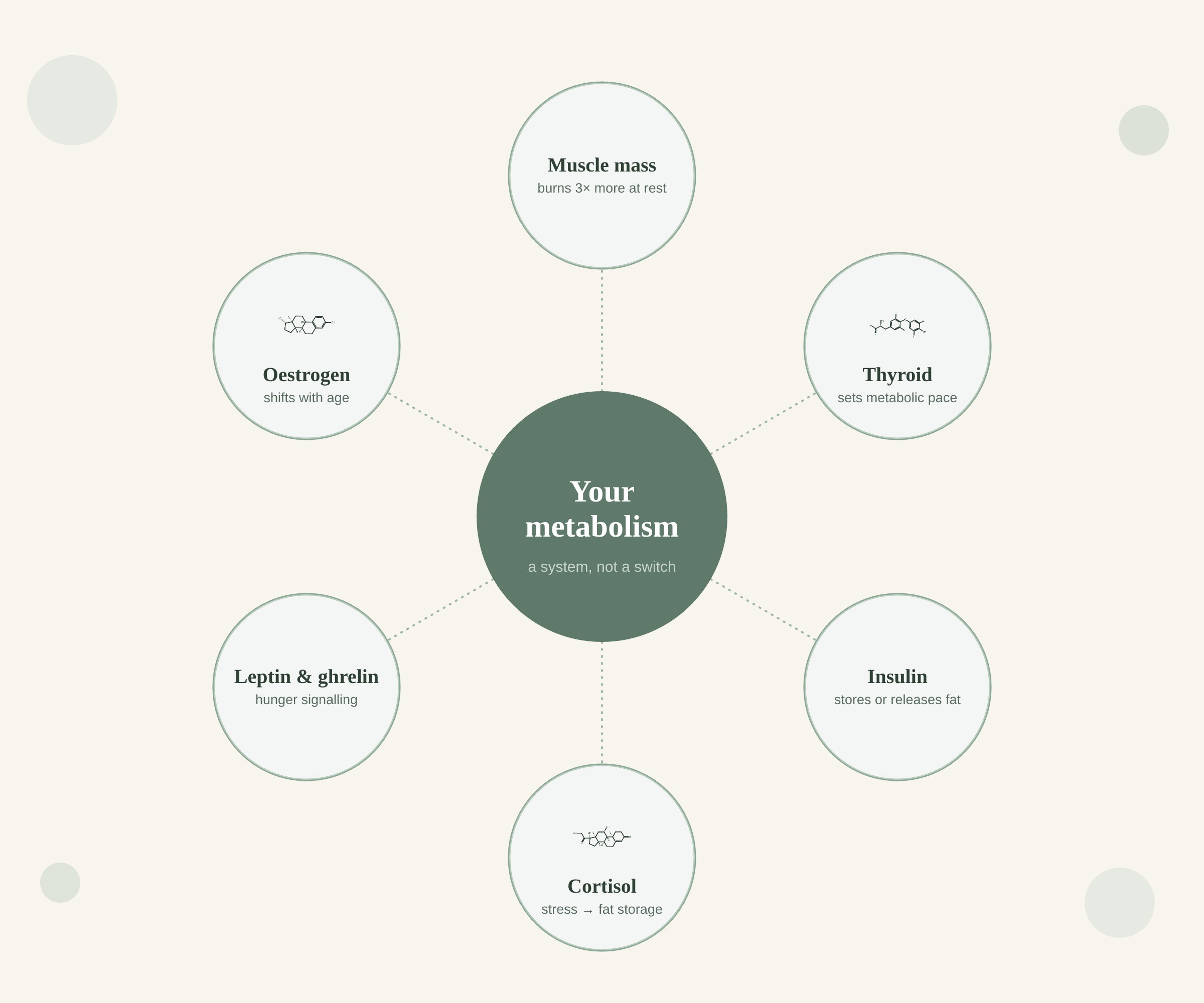
Your metabolism — a system, not a switch. Diagram showing muscle mass, oestrogen, thyroid, insulin, cortisol and leptin/ghrelin.
1–2%

Average decline in resting metabolic rate per decade after age 30, even without changes to diet or activity.

How many more calories muscle tissue burns at rest compared to fat tissue — making muscle preservation central to metabolism.

1 in 5

Women over 40 have clinically low thyroid function — a major but often undiagnosed contributor to slowed metabolism.

What doctors don't always tell you about weight

GPs are generalists with limited appointment time. Weight — especially weight gain during perimenopause — often gets a frustratingly short answer. Here's what the fuller picture looks like.

01

"Eat less, exercise more" is incomplete advice for women over 40

Calorie restriction triggers a drop in metabolic rate — your body adapts to the deficit by slowing down. For women in perimenopause, this effect is amplified. Severe restriction often causes muscle loss, which further reduces metabolism. A program that addresses hormones, protein intake, and strength — not just calories — produces better long-term results.

02

Weight gain around the middle is not inevitable — it's addressable

Abdominal fat accumulation during perimenopause is driven largely by the hormonal shifts described elsewhere on this site. It's not simply a matter of "slowing down with age." Targeted approaches — including some that work at a hormonal level — can be effective where general lifestyle advice hasn't been.

03

Hunger isn't always about willpower

Leptin resistance — common in women over 40 — means your brain genuinely doesn't receive the "I'm full" signal correctly, even after a satisfying meal. Blaming yourself for feeling hungry doesn't help. Understanding the mechanism does.

04

Medically supported weight loss exists, and it's not just for people with severe obesity

Many women first hear about medically supervised weight programs through a friend who had dramatic results. These programs — which may include clinical support, structured nutrition, and in some cases medication — are available for a wider range of people than most assume. An assessment is the starting point.

05

Blood markers tell a more complete story than the scale

Fasting insulin, HbA1c, thyroid function, inflammatory markers — these give a much clearer picture of what's driving weight gain than weight alone. If your GP hasn't run these in the context of weight concerns, they're worth requesting.

Free · Takes 4 minutes

Find out what might be working against you

Answer a few questions about your symptoms, lifestyle, and health history. We'll help you understand what might be driving your weight — and whether a medically supported program could be right for you.

Step 1

Your symptoms & history

Step 2

Lifestyle & patterns

Step 3

Your goals

Result

Personalised next steps

Start the free assessment →

No account needed. No obligation. Results immediately.

References
  1. Davis SR, et al. (2012). Understanding weight gain at menopause. Climacteric. doi:10.3109/13697137.2012.707385
  2. Maltais ML, et al. (2009). Sarcopenia in women: etiology and management. Maturitas. doi:10.1016/j.maturitas.2009.08.006
  3. Epel ES, et al. (2000). Stress and body shape: stress-induced cortisol secretion is consistently greater among women with central fat. Psychosomatic Medicine. doi:10.1097/00006842-200009000-00015
  4. Moran LJ, et al. (2008). Insulin resistance and its impact on body composition. Journal of Clinical Endocrinology & Metabolism. doi:10.1210/jc.2007-2239
  5. Wilcox G. (2005). Insulin and insulin resistance. Clinical Biochemist Reviews. PMC1204764
  6. Taheri S, et al. (2004). Short sleep duration is associated with reduced leptin, elevated ghrelin, and increased BMI. PLOS Medicine. doi:10.1371/journal.pmed.0010062
  7. Sgarbi JA, et al. (2010). Subclinical thyroid dysfunctions are independent risk factors for mortality in a 7.5-year follow-up. European Journal of Endocrinology. doi:10.1530/EJE-09-0789
  8. Better Health Victoria. Metabolism and weight. Department of Health, Victoria State Government. betterhealth.vic.gov.au
  9. Wolfe RR. (2006). The underappreciated role of muscle in health and disease. American Journal of Clinical Nutrition. doi:10.1093/ajcn/84.3.475
  10. Garber JR, et al. (2012). Clinical practice guidelines for hypothyroidism in adults. Thyroid. doi:10.1089/thy.2012.0205
  11. Fothergill E, et al. (2016). Persistent metabolic adaptation 6 years after 'The Biggest Loser' competition. Obesity. doi:10.1002/oby.21538
  12. Sumithran P, et al. (2011). Long-term persistence of hormonal adaptations to weight loss. New England Journal of Medicine. doi:10.1056/NEJMoa1105816
  13. Doucet E, et al. (2001). Appetite after weight loss by energy restriction and a low-fat diet–exercise follow-up. International Journal of Obesity. doi:10.1038/sj.ijo.0801513
  14. Australian Institute of Health and Welfare (2023). Overweight and obesity: an interactive insight. aihw.gov.au